Why I Built a Simple Trello Alternative for Small Teams
Caramelo has been live for a while now — quietly available, steadily improving. But I never properly introduced it. No launch post, no origin story, no "here's why this exists." So let me fix that.
For years, Trello was my go-to tool for running projects. Not because it was the most powerful — because it was the most usable.
I'm a developer, but most of the people I collaborate with aren't. Designers, clients, project managers, small business owners. Multi-year projects where people needed to see what's happening, move cards around, and not think about the tool itself. Trello was one of the few tools where non-technical people actually used it without me having to explain anything. Open the board, drag the card, done.
Then I stopped using it for a while. The project wound down, communication slowed to occasional emails, and Trello sat idle.
Going Back Was a Shock
In late 2025, that same project came back with a batch of new features. We needed a way to collaborate again. The natural move was to go back to Trello.
I couldn't believe what I was looking at.
Cards had become pamphlets. Everything took extra clicks. The interface felt sluggish. Features I never asked for were everywhere, and the ones I relied on were buried. It felt less like a kanban board and more like a project management suite trying to justify enterprise pricing.
I wasn't the only one who noticed. Reddit threads, X posts, blog comments — the frustration was everywhere. People who'd used Trello for years were actively searching for something else. "Trello alternative" had become one of the most searched terms in the project management space.
The Builder's Instinct
I'm a developer. When something I depend on breaks, my first thought isn't "what else can I use" — it's "can I build something better?"
With modern tools, the answer was yes. Not a Trello clone with every feature ever shipped. Something closer to what Trello used to be — fast, clean, focused.
I started building Caramelo for myself. To get back to boards, lists, and cards without the bloat.
But the more I read online — the frustration, the migration threads, the "does anyone know a simple kanban tool" posts — the more I realized this wasn't just my problem. There's a real gap in the market. Small teams don't want another enterprise tool. They want what they had before someone decided to "improve" it.
What Caramelo Is (and Isn't)
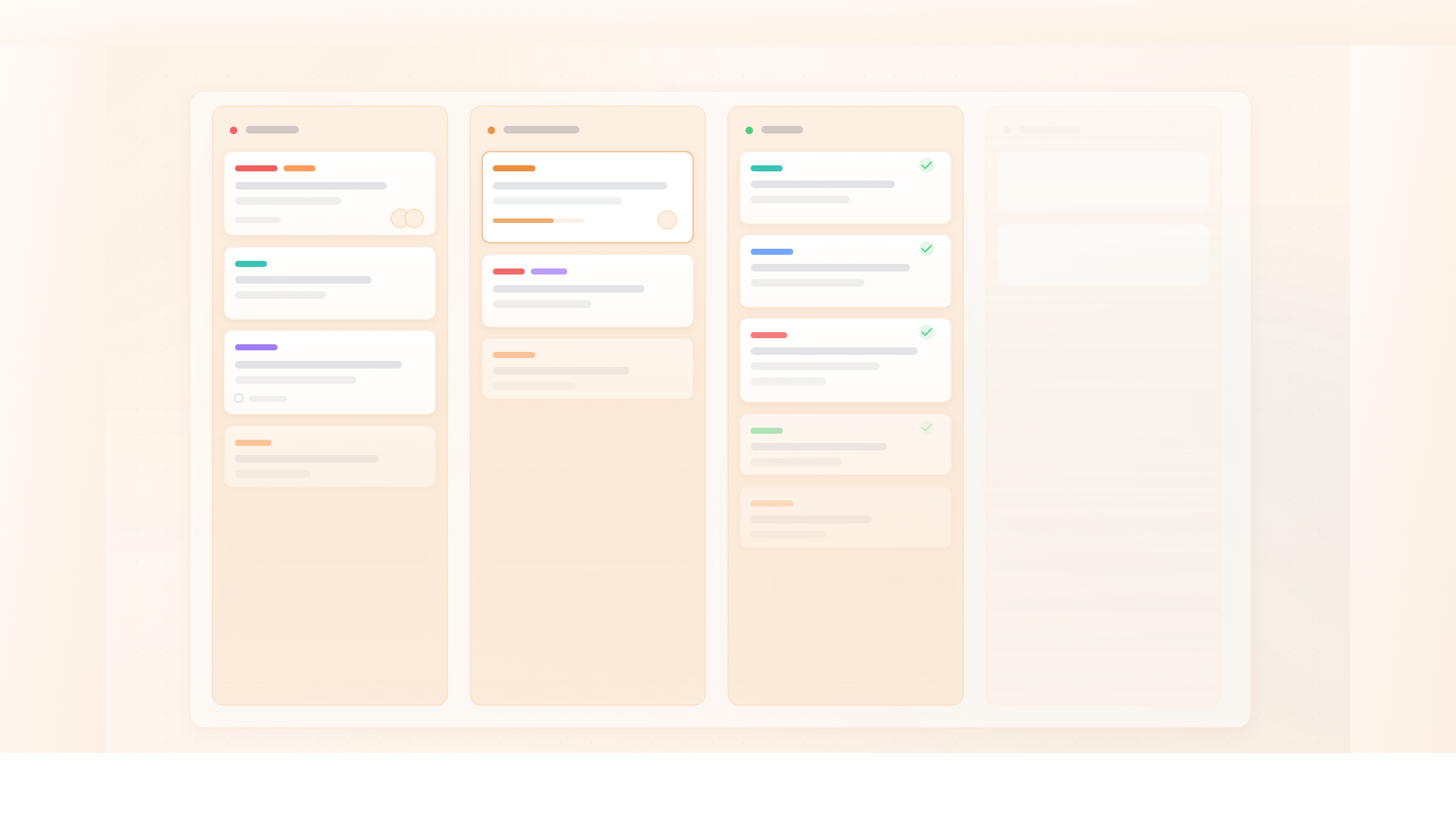
Caramelo is a kanban board for small teams/agencies and freelancers. That's it.
What you get:
- Boards, lists, cards — drag and drop, fast, responsive
- Real-time collaboration — everyone sees changes instantly
- Comments, checklists, due dates, labels, assignees, attachments
- Google sign-in, workspace invitations, board themes
- Flat pricing — no per-seat anxiety, no surprise bills as your team grows
What you won't find:
- Gantt charts
- Resource management
- Portfolio views
- Reporting dashboards
- Workflow automation engines
- 49 integrations you'll never use
That's not a limitation — it's a decision. I wrote it down, actually. "Stay deliberately simple" is the first product philosophy I documented, before writing a single line of code.
Small teams are underserved by tools that optimize for enterprise sales. If you need to manage 200 people across 15 departments with custom workflows and approval chains, there are great tools for that. Caramelo isn't one of them, and it never will be.
Small Team, Big Intentions
I'm building Caramelo as a solo developer today. That part isn't set in stone — the team may grow.
What is set in stone: there will be no chasing investors, no unicorn rush, no "get big at any cost" mentality. Caramelo will stay a small, focused company building a simple product. No venture capital dictating the roadmap. No growth-at-all-costs pressure to bolt on enterprise features nobody asked for.
If you've read anything by Jason and David at 37signals, that's the playbook. I love their approach. Build something useful, charge a fair price, take care of the people who already use it. Existing customers are the most valuable asset a product can have — not the next funding round.
That philosophy shapes everything. Every feature in Caramelo exists because one person decided it was worth building. There's no feature committee. No product manager adding things to hit a quarterly OKR. No investor pushing for enterprise features because that's where the revenue is.
When you use Caramelo, you're using something where every pixel, every API endpoint, every interaction was considered by the person who built it. That's not a weakness — it's why the tool stays simple and fast.
It also means I ship fast. No standups about standups. No alignment meetings. An idea in the morning can be live by evening.
That's what you can expect from Caramelo going forward. A calm, profitable, intentional product — not a startup racing toward an exit.
What's Next
Caramelo is live and usable today. The core is solid — boards, real-time sync, collaboration features, file attachments, search. It does what a kanban board should do, and it does it fast.
Coming up: Trello import (so you can bring your boards over), keyboard navigation, @mentions, and more collaboration features for the Team tier.
I'll be writing here about the product, the decisions behind it, and the broader topic of keeping software simple in a world that keeps making it complex.
If you've been looking for what Trello used to be, give Caramelo a try.
Follow along on X/Twitter for updates.